

Snohomish County, WA has long offered something rare in the Puget Sound region: space, flexibility, and land that supports real life — not just housing. Right now, a quiet shift is happening in land ownership, especially with small-acreage properties, and it’s creating meaningful opportunities for buyers who want more room without leaving the county.
This isn’t about large commercial farms or massive estates. It’s about right-sized land ownership in Snohomish County — and how buyers can thoughtfully step into it.
You Don’t Need Hundreds of Acres to Own Land in Snohomish County

One of the most common misconceptions about buying land in Snohomish County is that you need significant acreage to make it worthwhile. In reality, many buyers are discovering that 1 to 5 acres is enough to support:
- A home with privacy and elbow room
- Gardening or small-scale food production
- Chickens or hobby animals (zoning dependent)
- A shop, barn, or space for RVs and recreational toys
- A quieter lifestyle without full-scale farm maintenance
Small-acreage properties offer flexibility without the costs and workload that come with large agricultural parcels.
Why Snohomish County Is Ideal for Small-Acreage Living
Compared to more densely developed counties near Seattle, Snohomish County still has areas where land is part of the lifestyle — not the exception. Buyers looking for land often focus on communities such as:
- Arlington
- Granite Falls
- Snohomish
- Monroe
- Stanwood
- Lake Stevens (Machias area and beyond)
These locations attract buyers who want:
- Space while staying within commuting distance
- Rural character with established infrastructure
- Long-term lifestyle flexibility for family, hobbies, or home-based work
For many households, small-acreage land is the bridge between suburban living and rural independence.

Why Small-Scale Farming and Homesteading Are Growing in Snohomish County
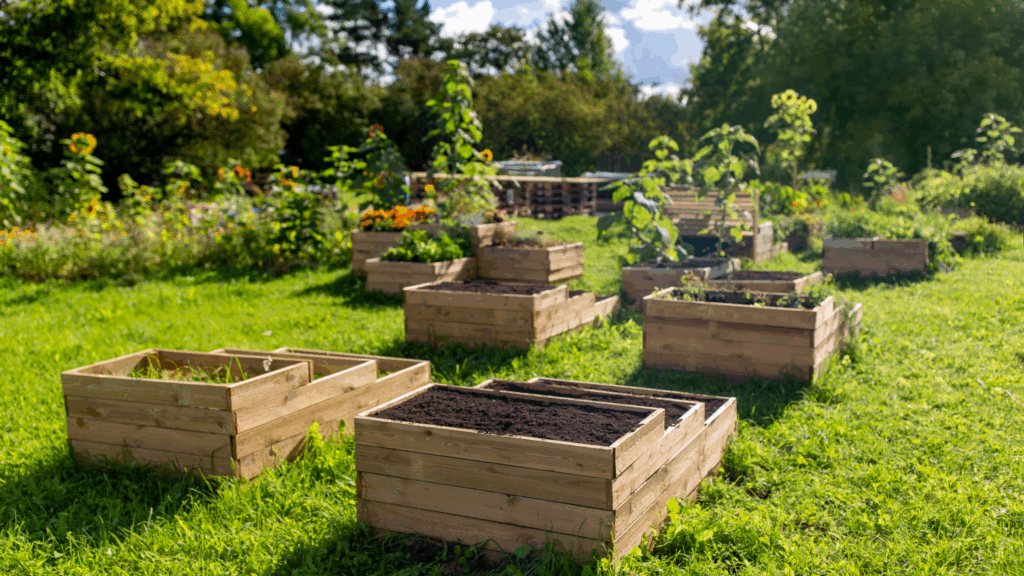
Snohomish County has a long agricultural history, and today, that legacy is evolving. Many longtime landowners and farmers are reaching retirement age, and not every property is being passed down within the family. At the same time, a new generation of buyers is stepping in — not necessarily to run large commercial farms, but to steward smaller parcels in thoughtful, sustainable ways. This has led to growing interest in small-scale farming, homesteading, and lifestyle land ownership, where buyers focus on gardens, animals, self-sufficiency, and connection to the land rather than large-scale production. For many families, this approach offers a meaningful way to own land, honor its history, and adapt it to modern lifestyles without the demands of traditional farming.
The Opportunity: Modest Land with Long-Term Value
As land prices rise across Washington State, the most accessible opportunities are often found in:
- Parcels under 5 acres
- Properties with older homes or outbuildings
- Land that is usable but not highly improved
These properties can offer excellent long-term value, especially for buyers willing to update or personalize over time. For sellers, well-priced small-acreage homes continue to attract strong interest due to limited inventory.
A Smart Strategy for Move-Up Buyers: Using Your Current Home to Buy Land
For many move-up buyers, the biggest question isn’t whether they want land — it’s how to afford it.
In Snohomish County, many homeowners are sitting on significant equity. Selling a current home can often provide the down payment — or even the full purchase power — needed to move into a property with land.
Common strategies include:
- Selling first and using proceeds toward a land purchase
- Coordinating a contingent purchase when timing allows
- Structuring a bridge or short-term financing solution
- Identifying properties where sweat equity can offset price
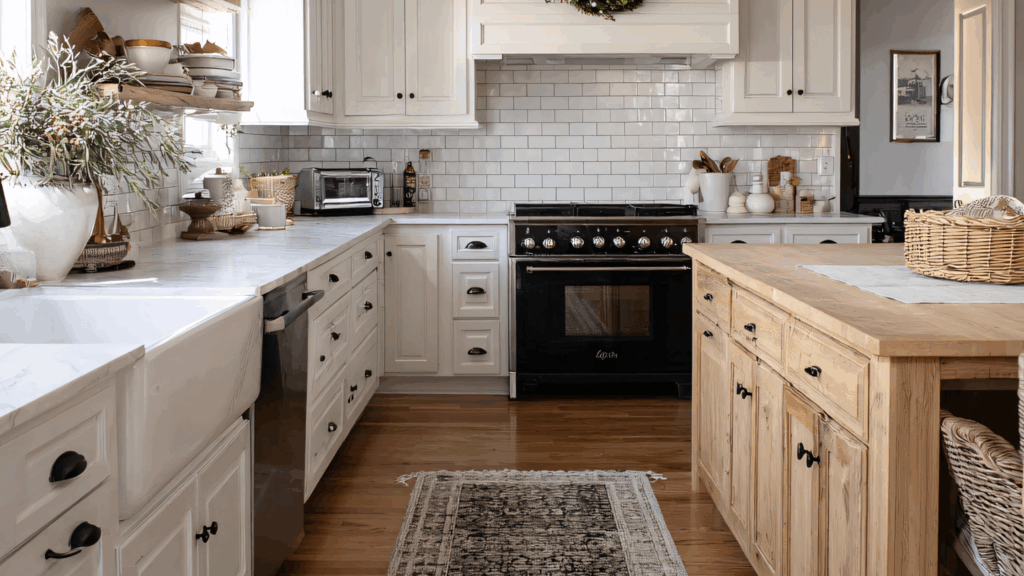
With the right planning, it’s possible to transition from a traditional neighborhood home into a property with acreage without overextending financially. This is especially common for families who have outgrown their current space or are planning for multigenerational living, or who want to start homesteading.
What to Know Before Buying Land in Snohomish County
Buying land or a home on acreage is different from a standard residential purchase. Buyers should understand:
- Zoning and permitted land uses
- Water source (private well vs. community water)
- Septic system type, capacity, and condition
- Access, utilities, and long-term development considerations
Local expertise matters. Working with an agent who understands Snohomish County land, zoning, and rural property nuances can help buyers avoid surprises and make confident decisions.
Final Thoughts: A Thoughtful Way to Put Down Roots in Snohomish County
Snohomish County continues to attract buyers who value space, flexibility, and a connection to land — without leaving the region they love. Small-acreage properties provide a practical and attainable way to achieve that lifestyle.
Whether you’re a first-time land buyer, a move-up homeowner, or planning your next chapter, opportunities still exist — especially with informed planning and local guidance.
If you’re curious about buying land or selling your current home to move into a property with acreage, I’m always happy to walk through options and help you determine what makes the most sense for your goals.
Homes on Land for Sale in Snohomish County
Frequently Asked Questions About Buying Land in Snohomish County, WA
How much land do I need to buy in Snohomish County?
Most buyers in Snohomish County do not need large acreage to enjoy land ownership. In many cases, 1 to 5 acres is enough for privacy, gardening, hobby animals, outbuildings, or a small homestead, depending on zoning and intended use.
Is it possible to buy a home with land in Snohomish County without farming?
Yes. Many properties with land in Snohomish County are owned for lifestyle purposes, not commercial farming. Buyers often use their land for gardens, animals, workshops, or simply extra space, without operating a farm.
What areas of Snohomish County are best for small-acreage properties?
Popular areas for small-acreage homes include Arlington, Granite Falls, Snohomish, Monroe, Stanwood, and Lake Stevens. These locations offer a mix of rural character, infrastructure, and access to services.
Can I use the equity from my current home to buy land?
Yes. Many move-up buyers sell their current home to access equity, which can be used toward a down payment or purchase of a property with land. With proper planning, selling and buying can often be coordinated smoothly.
Is buying land different from buying a typical house?
Yes. Buying land or a home on acreage often involves additional considerations such as zoning, water sources, septic systems, access, and utilities. Working with a local real estate professional familiar with Snohomish County land can help avoid surprises.
Are small-scale farms and homesteads becoming more common?
Yes. As longtime landowners retire, more buyers are stepping into smaller parcels for homesteading, gardening, and sustainable living. This has increased interest in small-acreage properties across Snohomish County.
Do I need special financing to buy a home with land?
It depends on the property. Some homes with land qualify for traditional financing, while others may require different loan types based on acreage, condition, or improvements. A local lender can help determine the best options.
What should I check before buying land in Snohomish County?
Buyers should review zoning regulations, allowed uses, water and septic systems, access, utilities, and future development considerations. A local agent can help guide these checks during the purchase process.
Is now a good time to buy land in Snohomish County?
For buyers planning long-term ownership, land can offer flexibility and lifestyle value. Inventory is limited, so working with local guidance can help identify opportunities that fit both budget and goals.
Can I live on land while making improvements over time?
In some cases, yes — but it depends on zoning, permitting, utilities, and financing. This is a common strategy for buyers purchasing older homes or properties with room to improve gradually.